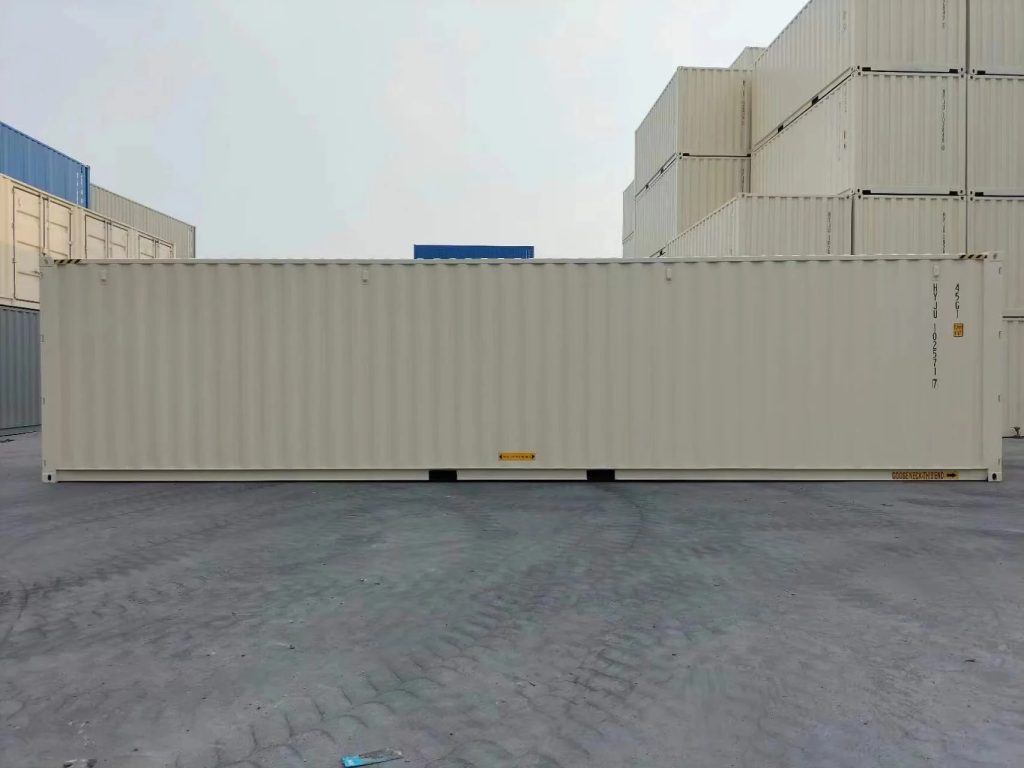
Understanding the Size of a 20-Foot Container: Dimensions, Capacity, and FAQs
When it comes to shipping containers, the 20-foot container is among the most frequently utilized options in the logistics and transport market. Whether 20' Shipping Container are an entrepreneur aiming to transfer goods overseas or someone considering moving, understanding the dimensions and capability of a 20-foot container is necessary. This post will provide a detailed overview of a 20-foot container's size, its capacity, and answers to often asked questions.
Dimensions of a 20-Foot Container
The size of a 20-foot container is standardized, making it simpler for shipping business and clients to plan their logistics. Let's break down the dimensions commonly related to a 20-foot container:
| Measurement | Imperial | Metric |
|---|---|---|
| Length | 20 feet (ft) | 6.058 meters (m) |
| Width | 8 feet (ft) | 2.438 meters (m) |
| Height | 8.5 feet (ft) | 2.591 meters (m) |
| Interior Length | 19.4 feet (ft) | 5.898 meters (m) |
| Interior Width | 7.7 feet (ft) | 2.352 meters (m) |
| Interior Height | 7.9 feet (ft) | 2.385 meters (m) |
| Door Width | 7.5 feet (ft) | 2.280 meters (m) |
| Door Height | 7.5 feet (ft) | 2.286 meters (m) |
Key Features
- Capability: A basic 20-foot container can hold an optimum payload of about 22,000 kg (approximately 48,500 pounds). The internal volume is roughly 33 cubic meters (1,172 cubic feet).
- Material: Most 20-foot containers are built from corrugated steel to guarantee strength and sturdiness against external aspects.
Kinds Of 20-Foot Containers: While the basic container is the most common, there are customized types, including:
- Reefer Container: Designed for temperature-sensitive freight.
- Open-Top Container: Facilitates the loading of extra-large freight.
- Flat Rack Container: Ideal for heavy equipment or goods that do not suit routine containers.
Benefits of 20-Foot Containers
Understanding the advantages of utilizing 20-foot containers can help logistics supervisors and individuals make notified decisions:
- Cost-Effective: Due to their basic size, 20-foot containers tend to have lower transport costs compared to larger containers.
- Flexible: They can accommodate various types of cargo, making them appropriate for different shipping requirements.
- Ease of access: Their workable size makes them easier to load and discharge, particularly at smaller ports or locations with restricted gain access to.
- Easy Shipment Tracking: The standardized dimensions permit optimized plans within shipping vessels, boosting delivery tracking effectiveness.
How Much Can a 20-Foot Container Hold?
When jam-packed efficiently, a 20-foot container can hold roughly:
- 10-- 12 standard pallets,
- 50-60 boxes of customer products,
- 4 to 5 motorcycles,
- 1-- 3 small cars and trucks.
The specific capability might vary based on the cargo's dimensions and weight constraints.
Usage Cases for a 20-Foot Container
From commercial endeavors to personal relocations, making use of 20-foot containers spans different sectors:
- Shipping Goods: Businesses regularly utilize them to ship products worldwide.
- Moving: Ideal for individuals wanting to move, providing sufficient space for a small home.
- Storage: Many companies lease or buy containers for on-site storage of equipment or stock.
- Mobile Offices: Containers can be converted into offices or workspaces in building and construction sites or remote places.
- Structure: Eco-friendly construction business repurpose containers to create office or homes.
Regularly Asked Questions
Q1: What is the weight of an empty 20-foot container?
Answer: An empty 20-foot container normally weighs between 2,200 kg to 2,500 kg (around 4,850 pounds to 5,500 pounds).
Q2: How much freight can a 20-foot container carry?
Response: A basic 20-foot container can bring a maximum payload of about 22,000 kg (roughly 48,500 pounds).
Q3: How can I load a 20-foot container effectively?
Answer: To fill efficiently:
- Use pallets to improve the packing process.
- Disperse the weight evenly.
- Stack products realistically, positioning heavier products at the bottom.
Q4: Can a 20-foot container be shipped by air?
Answer: No, shipping containers are mostly designed for cargo shipping via ships and trucks. Air freight uses specialized containers designed for aircraft.
Q5: Are there any guidelines for shipping a 20-foot container?
Answer: Yes, regulations might differ by nation. Carriers need to supply accurate weight statements, freight descriptions, and adhere to customizeds requirements.
Q6: How lots of 20-foot containers fit in a shipping vessel?
Answer: The number of 20-foot containers that can fit in a vessel depends on the ship's style, size, and offered space, however a normal cargo ship can carry numerous thousand TEUs (Twenty-foot Equivalent Units).
In summary, a 20-foot container is a versatile and extensively utilized shipping service. Its basic dimensions, payload capacity, and unique benefits make it an excellent option for various logistics needs. Whether transporting Weight 20ft Container , moving homes, or repurposing for new usages, understanding the size and capability of a 20-foot container can assist you make informed choices in your shipping endeavors. For anybody associated with shipping or moving, purchasing a 20-foot container can be a strategic choice that adds effectiveness and reliability to your logistics operations.