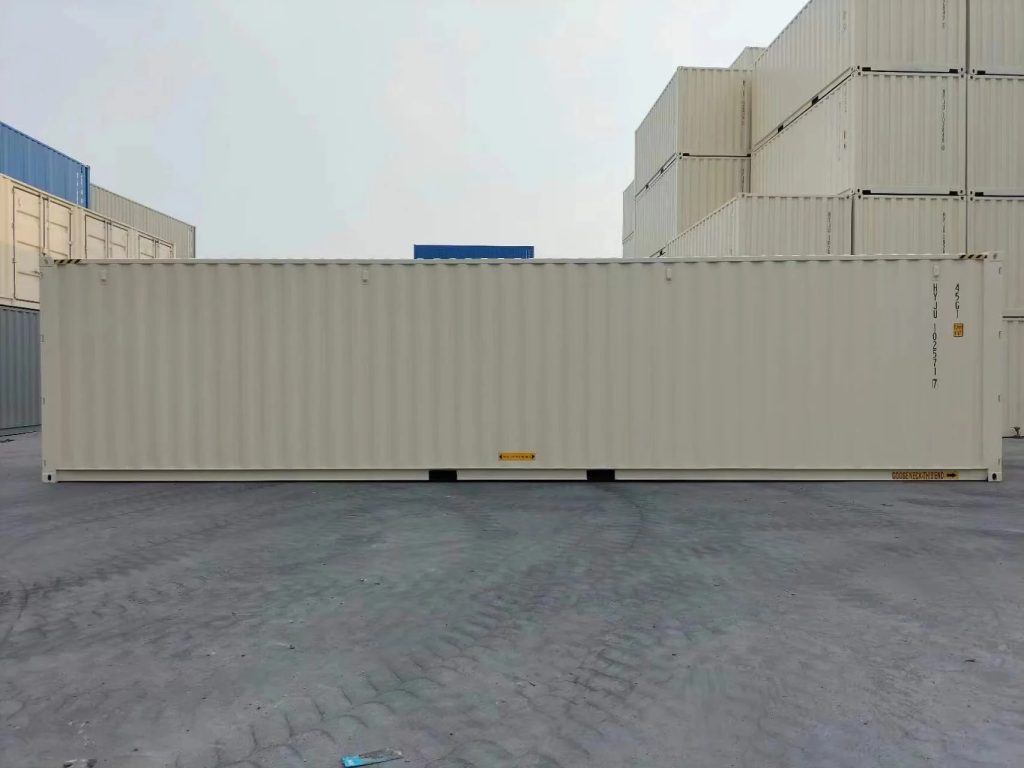
Understanding the Size of a 20ft Container: A Comprehensive Guide
When it pertains to shipping and logistics, one of the most commonly utilized containers is the 20-foot container. Its prevalent use in international shipping and transport makes it essential for companies and individuals alike to understand its dimensions and storage capacity. This article will look into the size of a 20-foot container, its specs, and its applications in shipping, storage, and transport.
Requirements of a 20ft Container
A basic 20-ft container, also referred to as a Twenty-foot Equivalent Unit (TEU), generally has the following dimensions:
| Dimension | Measurement (in feet) | Measurement (in meters) |
|---|---|---|
| External Length | 20 ft | 6.06 m |
| External Width | 8 ft | 2.44 m |
| External Height | 8.5 ft | 2.59 m |
| Internal Length | 19.4 ft | 5.89 m |
| Internal Width | 7.7 ft | 2.35 m |
| Internal Height | 7.9 ft | 2.39 m |
| Optimum Payload | ~ 52,910 lbs | ~ 24,000 kg |
| Tare Weight | ~ 4,200 pounds | ~ 1,900 kg |
Internal Volume
The internal volume of a standard 20-ft container is roughly 1,172 cubic feet or 33.2 cubic meters. what google did to me is vital for determining just how much cargo can be efficiently loaded and transported.
Capacity
In terms of capability, a 20-ft container can typically hold:
- Standard Pallets: About 10-11 standard pallets (48" x 40").
- Cubic Feet: Roughly 1,172 cubic feet (33.2 cubic meters).
- Weight Limit: Generally near 52,910 lbs (24,000 kg), depending on freight type and container requirements.
This makes the 20ft container a favorite choice amongst services for different applications including carrying items, momentary storage sites, and even as makeshift offices or living areas.
Applications of 20ft Containers
The adaptability of the 20ft container permits for different applications throughout various industries:
Shipping and Logistics:
- Used mostly for carrying goods through sea, rail, or roadway.
- Perfect for global shipping due to its basic size.
Storage Solutions:
- Frequently used as on-site storage at construction websites.
- Can serve as a short-term or irreversible storage option for businesses.
Modular Construction:
- Containers are increasingly being repurposed for affordable real estate or pop-up shops.
- Custom adjustments can transform them into modern-day living areas.
Occasion Hosting:
- Containers can be converted into bars, offices, or exhibition spaces for events.
Disaster Relief:
- Used for carrying supplies and shelter materials throughout emergency situations.
Benefits of Using 20ft Containers
Using 20ft containers comes with a wealth of benefits:
Cost-Effectiveness:
- Affordable shipping charges, particularly for bulk deliveries.
Sturdiness:
- Constructed from steel, making them resistant to weather and physical damage.
Security:
- Lockable and durable, supplying a safe and secure environment for valuable products.
Ease of Transport:
- Easily packed onto ships, trucks, and trains, helping with multi-modal transport.
Flexibility:
- Can be utilized for diverse applications, from storage to living spaces.
Downsides of 20ft Containers
While they offer numerous benefits, there are some disadvantages to think about:
Limited Volume for Larger Items:
- The 20ft container can be insufficient for bigger products or bulk deliveries, necessitating the usage of larger containers.
Adjustments Required:
- For specialized storage or living needs, modifications can include time and expenses.
Weight Limitations:
- The maximum payload limitations should be kept track of to avoid exceeding the structural stability of the container.
Frequently Asked Questions (FAQ)
1. What is the difference in between a basic 20ft container and a high cube container?
A basic 20ft container has an external height of 8.5 feet, whereas a high cube container is 9.5 feet tall. The additional height in high cube containers permits more interior vertical space, making it suitable for cargo that is taller than basic containers.
2. The number of 20ft containers fit on a cargo ship?
The number of 20ft containers that can fit on a freight ship differs depending on the vessel's size and style. Usually, a Panamax cargo vessel can accommodate around 4,000 TEUs, which may consist of numerous 20ft and 40ft containers.
3. Can I buy an utilized 20ft container?
Yes, numerous vendors sell used shipping containers at lower rates. Purchasers ought to check containers for structural stability and signs of wear that may affect usability.
4. What are the common usages of 20ft containers in homes?
20ft containers can be transformed into contemporary homes, guesthouses, or workplace spaces through insulation, plumbing, and electrical modifications.
5. Are there guidelines for using shipping containers as storage?
Different regions have particular guidelines for utilizing shipping containers as storage. Local zoning laws and structure codes should be sought advice from before placement.
The 20ft container works as a steadfast pillar in the world of shipping and logistics, supplying a reputable and flexible option for different requirements-- from international freight transport to innovative architectural applications. Comprehending the size and specifications of a 20ft container can help organizations and people make informed decisions about their shipping and storage requirements. By leveraging the advantages of 20ft containers, one can improve operations and check out new chances in a continuously progressing market.